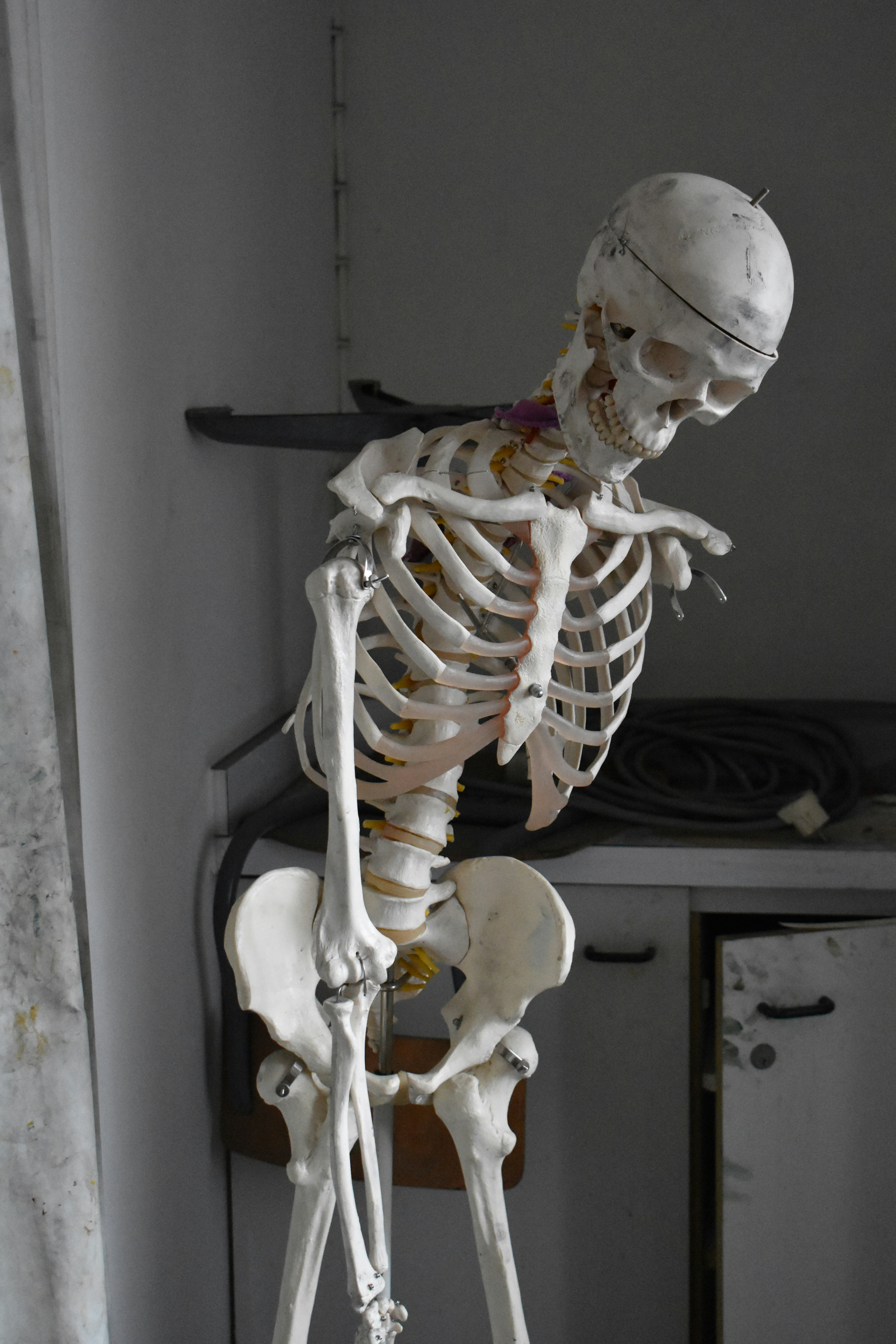
The Quick Answer
Interactive Bone Explorer
Select a region to view the complete x-ray breakdown and hear the medical names.
Skull
22 bones
Spine
26 bones
Ribs & Sternum
25 bones
Shoulders
4 bones
Arms
6 bones
Wrists & Hands
54 bones
Pelvis
2 bones
Legs
8 bones
Ankles & Feet
52 bones
Ear Ossicles
6 bones
The Complete 206-Bone Breakdown
Your skeleton is divided into two main sections: the axial skeleton (your core structure, including the skull, spine, and ribs) and the appendicular skeleton (your limbs and the girdles that attach them). Here is exactly where all 206 bones are hiding.
| Body Region | Number of Bones | Key Features |
|---|---|---|
| Skull & Face | 22 | Cranial (8) and facial (14) bones |
| Ear Ossicles | 6 | 3 tiny bones in each ear |
| Neck (Hyoid) | 1 | The only bone not connected to another bone |
| Spine | 26 | Vertebrae stacked in a column |
| Ribs & Sternum | 25 | 12 pairs of ribs plus the breastbone |
| Shoulder Girdle | 4 | Collarbones and shoulder blades |
| Arms | 6 | Humerus, radius, and ulna (2 of each) |
| Wrists & Hands | 54 | Carpals, metacarpals, and phalanges |
| Pelvic Girdle | 2 | Hip bones |
| Legs | 8 | Femur, tibia, fibula, and kneecap |
| Ankles & Feet | 52 | Tarsals, metatarsals, and phalanges |
| Total | 206 |
Mind-Blowing Math
Look down at your hands and feet. Together, they contain 106 bones. That means exactly 51.4% of your entire skeleton is dedicated solely to helping you walk and pick things up.
Why Babies Have More Bones Than You
Child's Hand — Growth Plates Visible
When you were born, you didn't have 206 bones. You had somewhere between 270 and 300 bones. You didn't lose them—they just grew up.
A newborn's skeleton is highly flexible and made largely of cartilage. As a baby grows, a process called ossification occurs. Calcium deposits turn the soft cartilage into hard bone. During this process, several smaller bone segments fuse together to form single, stronger adult bones.
Take the skull, for example. A baby's skull is composed of several separate pieces joined by soft spots called fontanelles. This allows the head to compress slightly during childbirth and leaves room for the brain to rapidly expand. By age two, these plates fuse into a solid dome.
This is why babies are so flexible... and why toddlers bounce back from falls that would send an adult to the hospital. Their skeletal structure acts like built-in shock absorbers.
Which Bones Fuse When?
Chart A — Overall Bone Fusion Timeline
Total bone count from birth to adulthood
Chart B — Individual Bone Groups
How different bone groups fuse at different rates
Inside the Bone: A Cellular World
🔴 Red Bone Marrow
Found mainly in flat bones (like the pelvis, sternum, and skull) and the spongy ends of long bones. It is the body's blood cell factory, producing red blood cells, white blood cells, and platelets.
🟡 Yellow Bone Marrow — "The Reserve"
Found in the hollow medullary cavities of long bones such as the femur and humerus. Composed primarily of adipocytes (fat cells), which can be mobilised as an energy source when needed. Under sustained demand — such as chronic anaemia, prolonged illness, or extreme physiological stress — yellow marrow can gradually convert back to red marrow to increase blood cell production. This conversion is a slow adaptive process, not an immediate emergency response.
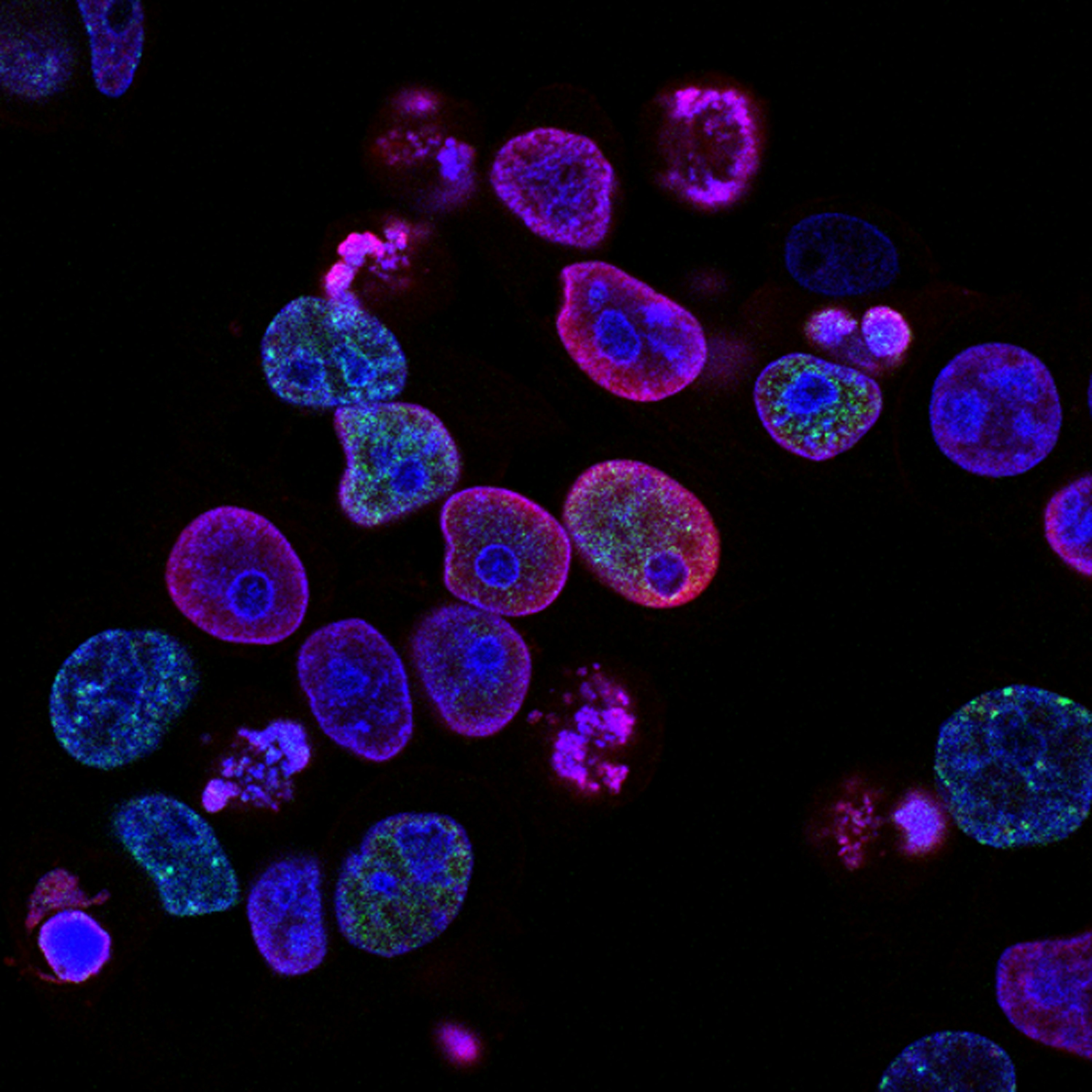
Bone is about 5x stronger than steel of the same weight
Skeletal Record Breakers
Longest & Strongest
The Femur (thigh bone).
Ounce for ounce, human bone is stronger than steel. A matchbox-sized block can support 18,000 lbs.
Smallest Bone
The Stapes (stirrup).
Located deep inside your ear, this bone is only 3mm long.
Hardest Substance
Tooth Enamel.
While teeth are part of the skeletal system, they aren't counted in the 206 bones. Enamel is harder than any bone.
True Scale: The Stapes Bone
Comparing the body's smallest bone (3mm) to everyday objects.
The stapes weighs approximately 3 milligrams. It is so small that a single drop of water weighs about 16 times more than this vital bone.
Bone Healing Timeline
When a bone breaks, osteoblasts and osteoclasts immediately get to work. Here is how long different bones take to heal fully under normal conditions.
Busting Bone Myths
The "Funny Bone" isn't a bone. That strange electric shock you feel when you bang your elbow is actually your ulnar nerve protesting against being pinched. It has nothing to do with bones.
Cracking your knuckles doesn't cause arthritis. That popping sound isn't your bones grinding together. It's simply the bursting of gas bubbles in the synovial fluid that lubricates your joints. Decades of medical studies have found zero link between knuckle cracking and joint disease.
Space doesn't instantly destroy your skeleton. While astronauts do lose bone density in zero gravity (up to 1% per month), it's not instantaneous. To fight this, astronauts aboard the ISS exercise for two hours every day using resistance machines.
Which Famous Bone Are You?
When facing a challenge, are you more likely to...
Humans vs. The Animal Kingdom
How does our 206-piece toolkit stack up against the rest of the natural world?
| Animal | Approximate Bones | Fact |
|---|---|---|
| Human | 206 | Standard adult skeleton |
| Dog | 319 | Extra bones mostly in the tail and spine |
| Cat | 244 | No true collarbone allows them to squeeze through gaps |
| Snake | 300 – 400+ | Almost entirely ribs and vertebrae |
| Giraffe | 205 | Virtually the same as a human! |
| Shark | 0 | Their skeletons are entirely cartilage |
The Giraffe Neck Secret
A giraffe has a neck that can reach 6 feet long, yet they have the exact same number of neck bones (vertebrae) as a human—just seven. Their vertebrae are simply massively elongated, measuring up to 10 inches each.
How to Keep All 206 Bones Strong
Calcium
Forms hydroxyapatite crystals that give bone its hardness. Aim for 700–1,200mg daily from dairy, leafy greens, or fortified alternatives. Must be paired with Vitamin D and K2 for proper absorption.
Vitamin D
Crucial for gut absorption of calcium. In northern latitudes, winter sunlight is insufficient. Sources include oily fish, egg yolks, and supplements (600–2,000 IU daily recommended).
Vitamin K2
Activates osteocalcin, a protein that binds calcium directly into the bone matrix (keeping it out of arteries). Found in fermented foods like natto, cheese, and dark poultry meat. Works in synergy with Vitamin D.
Magnesium
Required to convert Vitamin D into its active form and aids in bone crystal formation. 60% of the body's magnesium is stored in bone. Found in nuts, seeds, and whole grains. Mild deficiency is common.
Protein & Collagen
Bone is 25% organic material, mostly collagen fibres that provide flexibility and fracture resistance. Collagen peptide supplements or adequate dietary protein (0.8–1.2g per kg daily) support this matrix.
Weight-Bearing Exercise
According to Wolff's Law, bones adapt to the loads placed upon them by stimulating osteoblasts. Walking, running, dancing, and resistance training are excellent. Swimming and cycling have limitations for bone density. Aim for 150 minutes weekly.
Boron
A trace mineral that extends the half-life of Vitamin D and oestrogen, supporting calcium, magnesium, and phosphorus metabolism. Found in prunes, raisins, and almonds. Growing evidence supports its role in bone maintenance.
⚠️ Risk factors that reduce bone density:
Smoking reduces bone mineral density directly. Excessive alcohol (more than 2 units daily) inhibits osteoblast function. Very high caffeine intake may reduce calcium absorption. Post-menopausal oestrogen decline significantly accelerates bone loss — discuss this with your GP.
Frequently Asked Questions
References & Further Reading
This page presents general educational information about human anatomy. The following sources were used in its preparation and are recommended for deeper reading. Always consult a qualified healthcare professional for personal medical advice.
- NHS — Osteoporosis Overview
- NIH — Bone Health and Osteoporosis
- Mayo Clinic — Bone Health: Tips to Keep Your Bones Healthy
- National Osteoporosis Foundation
- Gray's Anatomy (OpenMD reference)
- Harvard Health — Calcium and Vitamin D
- PMC — Hand X-ray in Paediatric Endocrinology
⚕️ Medical Disclaimer
The information on this page is intended for general educational purposes only. It does not constitute medical advice and should not be used as a substitute for professional medical consultation, diagnosis, or treatment. Bone health conditions including osteoporosis, fractures, and metabolic bone disease require assessment by a qualified healthcare professional. If you have concerns about your bone health, please speak to your GP, physician, or specialist.